July 28, 2026
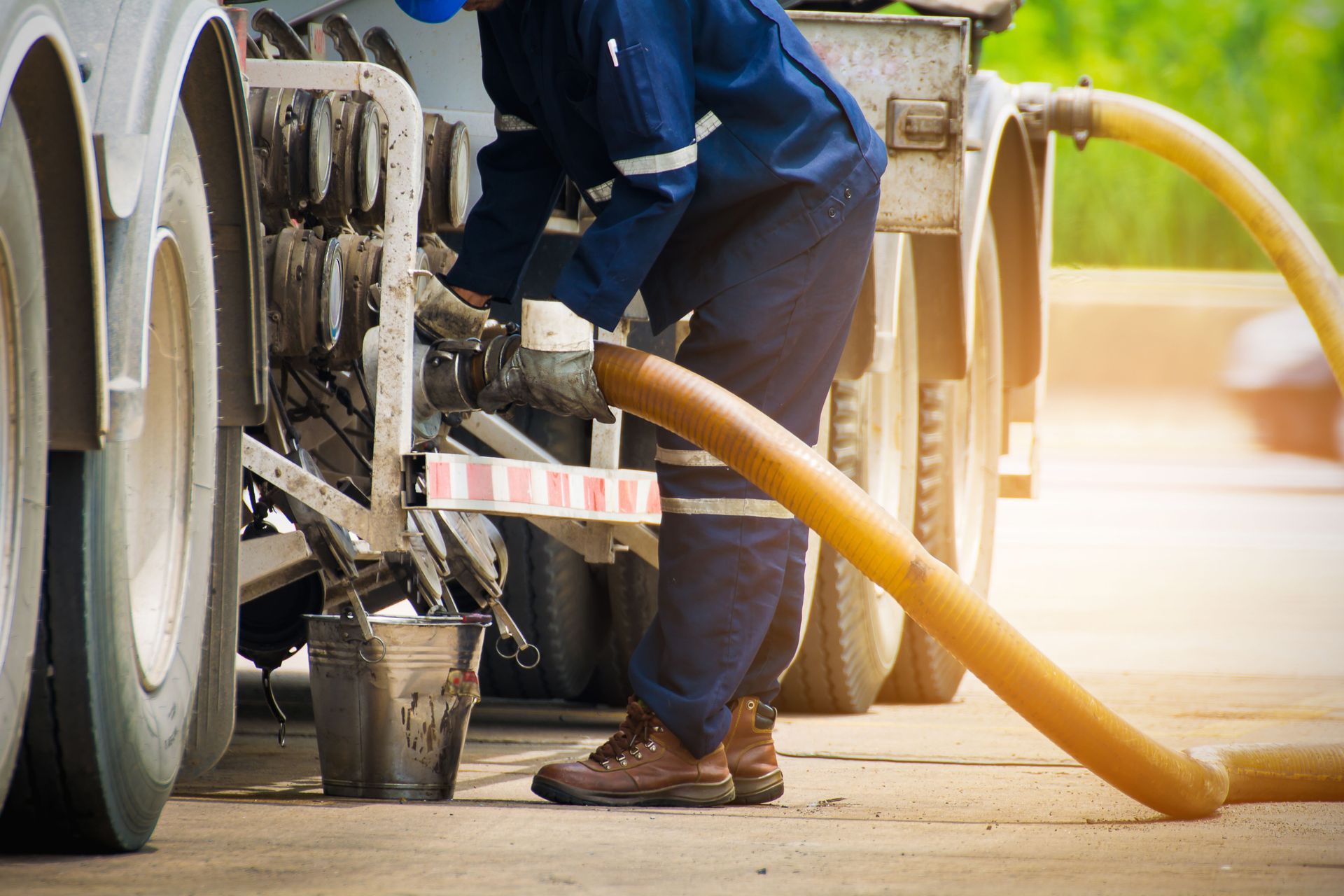
In recent years, there has been a significant shift in the way heating oil is delivered and consumed. This article outlines the environmental impacts of these changes and what consumers need to know. Heating oil delivery has evolved, incorporating environmentally friendly practices and technologies. As the world becomes increasingly conscious of climate change, the energy sector is transforming to meet new standards.
1. What is the current state of heating oil delivery in the energy sector?
1.1. An Overview of Heating Oil Delivery Systems
Heating oil delivery systems have undergone modernization, integrating advanced logistics and tracking technologies to enhance efficiency. These systems ensure timely and accurate delivery, reducing waste and optimizing resource use. Furthermore, specialized tanks and distribution mechanisms have been developed to maintain the quality and safety of heating oil. As a result, the industry is better equipped to meet environmental standards and consumer expectations.
The reliability of heating oil delivery has improved, providing consistent supply to meet residential and commercial demands. Enhanced infrastructure and service networks ensure access across diverse geographical regions. Automation and digital platforms play a critical role in monitoring usage patterns, contributing to energy conservation. Consequently, this digital transformation is pivotal in driving the sustainability of heating oil delivery systems.
Traditional models of supply and distribution have been upgraded, incorporating greener practices into their operations. New methodologies emphasize reduced emissions and enhanced operational efficiency. Companies, such as Dunn Oil Inc, often incorporate blended fuels like B5 and B20, which significantly cut CO2 emissions by up to 86% when compared to pure fossil oils according to Dunn Oil Inc. The focus on sustainability has reshaped the landscape of heating oil delivery systems.
1.2. Key Players in the Heating Oil Market
Several key players dominate the heating oil market, leading the shift towards more sustainable practices. These entities invest heavily in research and development to find more efficient and eco-friendly solutions. They also champion initiatives that promote the use of clean energy and modernized distribution channels. As leaders in the industry, their efforts serve as a benchmark for smaller companies aiming to follow suit.
These key players are leveraging partnerships to expand their clean energy portfolios and enhance market competitiveness. Collaborative ventures often result in shared innovations and expanded reach for green technologies. Some companies are forming alliances with governmental bodies to comply with energy regulations and policies. This strategic positioning ensures they remain at the forefront of industry advancements while aligning with global sustainability goals.
Innovation is the cornerstone of these companies' operations, with continuous developments in heating oil technology. The focus is on creating blends with ultra-low sulfur content that minimize particulate emissions significantly. Heating oil delivery is also optimized through advancements in logistics technology, ensuring minimal environmental impact. Efforts from these leading organizations are crucial in steering the industry towards a greener future.
2. How does the environmental impact of heating oil compare to other energy sources?
2.1. Carbon Footprint of Heating Oil
Heating oil has traditionally been associated with a higher carbon footprint when compared to other energy sources like natural gas or electricity. However, recent advancements in biofuel blends have significantly improved its environmental credentials. For instance, low-sulfur and biofuel mixtures can reduce the carbon footprint substantially, ensuring cleaner burning with fewer emissions. It's important to understand that continued innovation will further lower the impact and make heating oil a more sustainable option.
Graphite technology is boosting the burning efficiency of heating oil, further enhancing its environmental profile. By optimizing the combustion process, companies can lower CO2 emissions, making oil systems cleaner. Additionally, consumers are becoming increasingly conscientious about their energy choices, driving demand for products with a lower environmental impact. The market response to these demands helps reduce the carbon footprint of traditional oil heating.
Leading companies are transparent about their emissions performance, using it to gain consumer trust and market share. Initiatives like those observed by Dunn Oil Inc, which highlight the advantages of blends such as B5 or B20, underscore significant emissions reductions. Heat retention improvements and innovative system designs contribute to maximizing fuel efficiency. Such advancements signal the heating oil industry's commitment to improving its standing within the global energy landscape.
2.2. Comparison with Renewable Energy Sources
The global shift towards renewable energy sources poses significant competition for traditional heating oil. Renewable energies such as solar and wind are considered more environmentally friendly and have lower impact per kilowatt produced. However, the integration of biofuels in the heating oil sector aims to bridge this gap by delivering similar ecological benefits. The potential for cleaner heating systems is enhanced as the industry adopts biofuel blends in its mission for sustainability.
The cost of transitioning from traditional fuels to renewables remains a critical consideration in the energy market. Heating oil, with its evolving clean alternatives, offers a compromise between affordability and environmental impact. This middle ground position could support hybrid solutions, combining oil and renewables, to meet varied energy needs. Overall, while renewables are leading the shift, heating oil is adapting by becoming cleaner and more economically viable.
Despite the advantages of renewables, infrastructural and economic challenges persist in their widespread adoption. In contrast, heating oil delivery already has an established network, making it an integral part of current energy infrastructure. By integrating cleaner technologies, heating oil retains relevance in the energy transition. The comparative ease of implementation ensures that heating oil continues to play a role in achieving broader energy efficiency goals.
3. What are the challenges in transitioning to more environmentally friendly heating oil?
3.1. Economic Considerations and Financial Incentives
The transition to environmentally friendly heating oil involves substantial economic considerations for both consumers and vendors. The initial cost of upgrading systems to accommodate cleaner fuels can be prohibitive. However, financial incentives and subsidies can offset these expenses, encouraging adoption across the market. Governments and institutions play a vital role in structuring economic support to facilitate this critical transition.
Investments in cleaner technologies are crucial for long-term cost savings and environmental benefits. With the availability of greener heating oil blends, consumers are increasingly motivated to adopt these options if financial barriers are minimized. Economic incentives help drive demand for low-sulfur and biofuel options, directly impacting CO2 emissions positively. The structured economic support ensures that market players are motivated to adopt such environmentally friendly technologies.
Despite potential short-term financial challenges, the long-term benefits of cleaner heating oil technologies are considerable. Reduced emissions, increased efficiency, and alignment with global sustainability initiatives make the transition economically advantageous in the long run. Cost-saving measures and financial incentives are indispensable in encouraging this transition on a broader scale. The strategic alignment of financial incentives with environmental policies plays a key role in overcoming economic challenges.
3.2. Technological Barriers and Innovations
Innovations in heating oil are critical to overcoming technological barriers in achieving a lower environmental impact. One major challenge is the adaptation of existing infrastructure to support cleaner fuel technologies. Investments in research and development are crucial in creating innovative solutions that can integrate with current systems. As technology progresses, these developments will ease the transition and enhance the industry's ability to reduce emissions.
Technology also plays a vital role in improving energy efficiency and minimizing waste in heating oil delivery. Smart monitoring systems, advanced logistics, and digital platforms streamline supply chains, ensuring optimal fuel use. Innovations in burner technology further enhance combustion efficiency, reducing the overall environmental footprint. Overcoming technological barriers is essential for the industry to achieve its sustainability goals.
The adoption of new technologies requires continuous effort and refinement to ensure compatibility with existing setups. Companies staying at the forefront of technological advancement can better navigate challenges in transitioning to cleaner operations. By investing in innovation, the industry maintains momentum toward reducing its environmental impact. Collaborative efforts and knowledge sharing are necessitated to expedite technological advancement and minimize implementation challenges.
The shift to environmentally friendly heating oil remains a critical component of the global effort to reduce carbon emissions. While challenges exist, informed consumers and supportive policies can drive substantial progress. Technologies that support cleaner fuel production and delivery are enhancing the industry's environmental credentials. Through concerted efforts and collaboration, the heating oil industry is embracing sustainability and striving to meet future energy demands responsibly. Reach out to ASI Oil today to see how we can help you!