June 1, 2026
Residential energy choices have experienced significant transformations over the decades as communities across the country seek dependable ways to keep properties warm and comfortable. For generations, liquid fuel served as a primary option for millions of households due to its impressive thermal output and widespread regional availability. Understanding how these traditional consumption habits look today provides an essential perspective on the changing domestic energy landscape across various cold-weather territories.
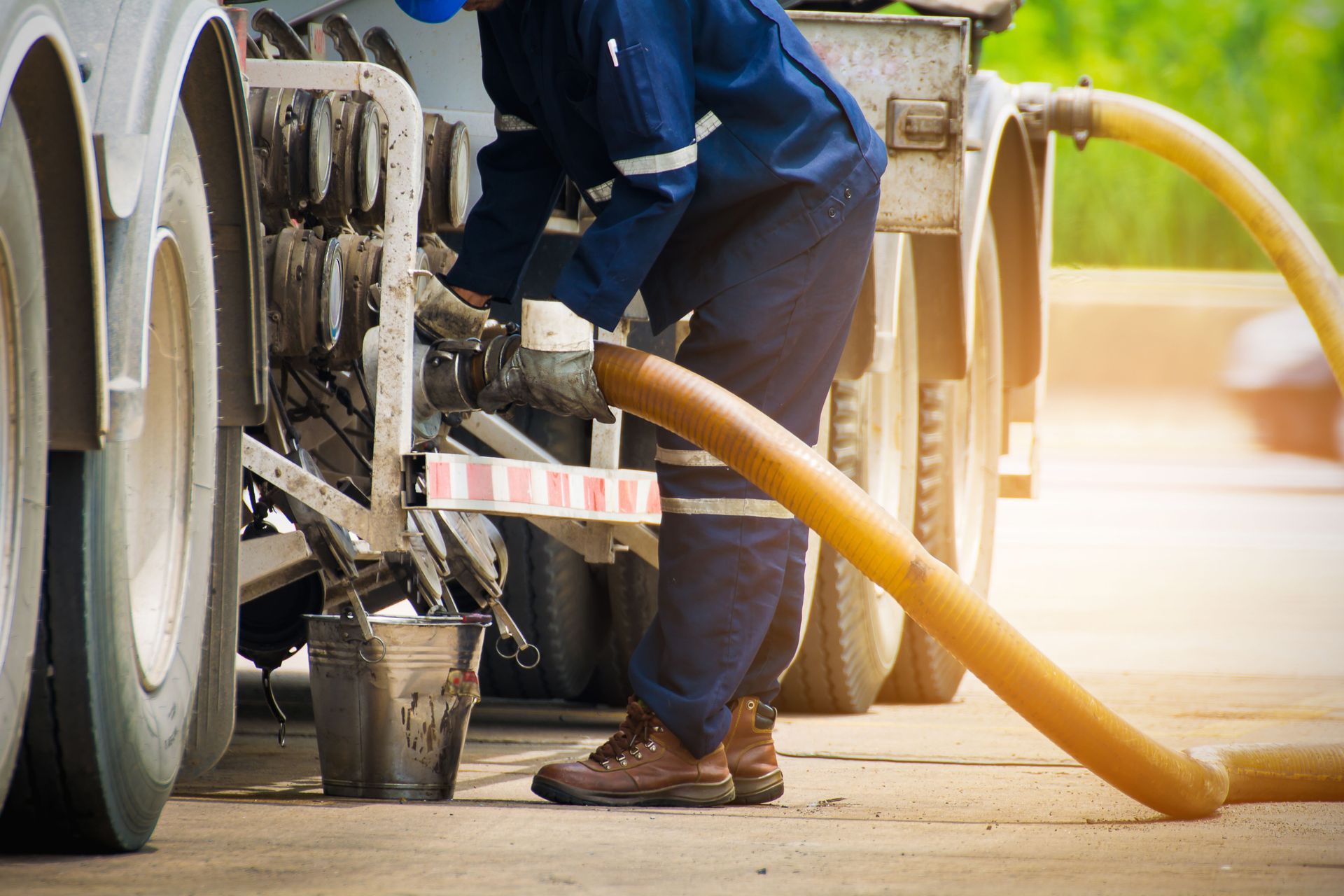
While modern consumer preferences lean toward alternative energy options, many households continue to rely heavily on traditional setups for consistent warmth during harsh winter months. This ongoing reliance highlights the extensive historical infrastructure that remains deeply embedded in specific geographic areas. Consequently, securing a dependable heating oil delivery service remains a vital priority for numerous families managing their seasonal energy requirements during severe winter storms.
Tracing the Historical Evolution of Fuel
Liquid petroleum fuel originally gained widespread popularity across American neighborhoods because it offered a cleaner, far more efficient alternative to traditional coal furnaces. As suburban developments expanded rapidly following major historical demographic shifts, infrastructure grew to accommodate the rising demand for this convenient heat source. Families appreciated the reliable comfort it provided, establishing a baseline of consumption that would shape regional energy distribution networks for many years.
Geopolitical disruptions and market shifts eventually introduced considerable volatility, prompting consumers to explore alternative methods for warming their properties effectively. Despite these external economic pressures, established infrastructure in specific areas kept the traditional market active and highly viable. Homeowners in these communities maintained their legacy setups, relying heavily on a consistent heating oil delivery service to maintain household comfort throughout changing economic cycles and unexpected cold spells.
The emergence of expanded utility pipelines introduced fierce competition as alternative utility options became widely accessible to residential neighborhoods nationwide. Many households transitioned to these alternative resources because they promised stable pricing structures and required less active property maintenance. This shift initiated a steady contraction in traditional fuel consumption, particularly in urban zones where infrastructure modernizations occurred rapidly and seamlessly over time in developed municipalities.
Analyzing Current Regional Consumption Trends
Environmental awareness and shifting public perceptions also accelerated the transition away from legacy systems toward modern, alternative heating arrangements. Stricter standards regarding emissions prompted the industry to develop cleaner fuel options, including low-sulfur products and specialized bio-blends. Property owners increasingly evaluated options based on ecological impacts, though many still depended on a heating oil delivery service to sustain their existing equipment safely and reliably.
Current distribution data reveal that consumption patterns vary dramatically depending on geographic location and regional infrastructure development. According to findings shared by The American Oil & Gas Reporter, within the U.S. Northeast region, roughly 18–22% of households rely on heating oil, while across the nationwide market, it is about 4–5%. These figures illustrate how deeply entrenched this traditional energy option remains within specific historic territories.
The stark contrast between regional metrics highlights the unique challenges faced by older housing sectors across the country. In areas where utility infrastructure expansion is physically or financially impractical, traditional liquid fuel remains a primary necessity. Families residing in these colder climates look to a reliable heating oil delivery service to ensure their properties remain safe, warm, and properly protected during freezing conditions.
Comparing Alternative Residential Heating Methods
When comparing legacy systems with modern electric heat pumps or gas options, homeowners must weigh multiple variables very carefully. Alternative utilities often boast lower operational emissions and reduced daily oversight, making them highly attractive to contemporary buyers. However, the high capital costs associated with full system retrofits prevent many typical consumers from making the switch away from traditional, reliable petroleum options.
Market fluctuations continue to present distinct budgetary challenges for individuals who manage their household expenses through fluctuating seasonal variables. Supply chains must adapt constantly to global pressures, directly impacting the final prices paid by ordinary consumers at home. To mitigate these uncertainties, choosing a transparent heating oil delivery service becomes crucial for maintaining entirely predictable expenses throughout the high-demand winter season.
Technological innovations within the traditional sector have introduced advanced boiler designs and highly efficient condensing appliance options. These advancements allow modern systems to extract more warmth from less fuel, effectively lowering overall seasonal utility expenses. These engineering upgrades help traditional options maintain clear competitiveness, providing a bridge toward sustainability without requiring complete, disruptive property overhauls or costly immediate replacements.
Evaluating Economic and Environmental Impacts
Socioeconomic factors heavily influenced the pace of this transition, as replacing older machinery often requires substantial, prohibitive upfront financial investments. Low-income households and isolated communities frequently faced significant barriers when attempting to adopt newer utility options. As a result, older systems remained fully operational out of necessity, preserving a steady baseline demand for traditional liquid petroleum fuels in specific market segments across the country.
Affordability remains a decisive factor governing whether a household decides to upgrade or maintain its current heating setup. While long-term savings from alternative utilities are appealing, the immediate expense of purchasing new machinery keeps many families utilizing petroleum. For these consumers, optimizing existing equipment represents the most practical path forward for balancing their immediate domestic financial priorities, unexpected repair costs, and monthly expenses.
Community assistance programs and specialized public initiatives frequently offer critical support to families managing seasonal energy expenses. These programs help bridge economic disparities by ensuring vulnerable populations maintain access to consistent warmth during severe weather events. Homeowners utilizing these vital safety nets frequently seek an affordable heating oil delivery service to stretch their available seasonal utility budgets as far as possible.
Understanding Factors Driving Ongoing Longevity
Local weather conditions also exert a massive influence on the continued utilization of traditional liquid petroleum resources. Extreme winter weather demands robust thermal performance that legacy systems can deliver with exceptional speed and reliability. Homeowners facing intense cold rely on a dedicated heating oil delivery service to keep their storage tanks completely filled and operational when regional temperatures drop severely.
The physical absence of utility distribution pipelines in remote or rural locations leaves property owners with limited alternatives. Without access to broader municipal networks, independent storage tanks provide a self-sufficient energy solution that safeguards rural residences perfectly. This logistical reality ensures that liquid petroleum options retain a highly vital role in preserving rural comfort, personal safety, and fuel security across the nation.
Consumer habits and long-standing relationships with local suppliers reinforce the persistence of traditional energy solutions in the modern market. Many property owners value the personal service and dependability that come with historical supply arrangements. Consequently, selecting a trusted heating oil delivery service remains an essential aspect of home management for individuals prioritizing reliable seasonal comfort and long-term heating security.
Evaluating the current domestic energy sector reveals a complex interplay between historical infrastructure, economic practicalities, and changing environmental standards. While alternative utilities expand their presence nationwide, liquid petroleum retains a strong and essential foothold in specific regions. Understanding these trends helps communities plan for future transitions while respecting the immediate heating needs of current homeowners who require dependable fuel solutions.
Maintaining home comfort requires practical solutions that balance efficiency, reliability, and accessibility for every unique household situation. As options continue to evolve, we remain committed to supporting your energy needs with unparalleled care and professionalism. Let us provide the dependable solutions you deserve at ASI Oil by contacting our team today.